MONOLITHIC REFRACTORIES

Gunning & Ramming Mixes

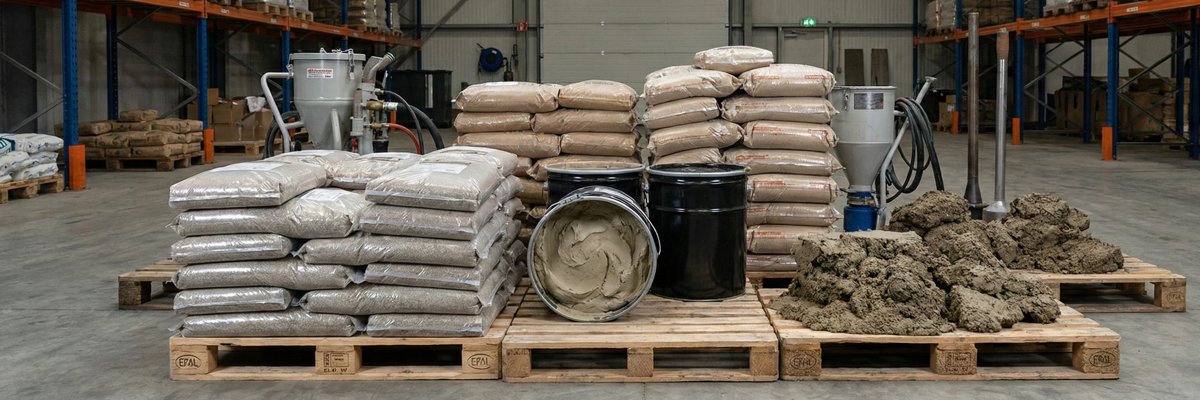
High-performance gunning mixes, ramming masses, and plastic refractories engineered for rapid installation, emergency repairs, and critical industrial applications with pneumatic application technology and superior bonding characteristics.

Temperature Rating 1200-1800°C
Certification ISO 9001:2015
Application Rate 5-8 m³/hr
Gunning and Ramming Mixes

Rapid Application Monolithic Refractory Solutions

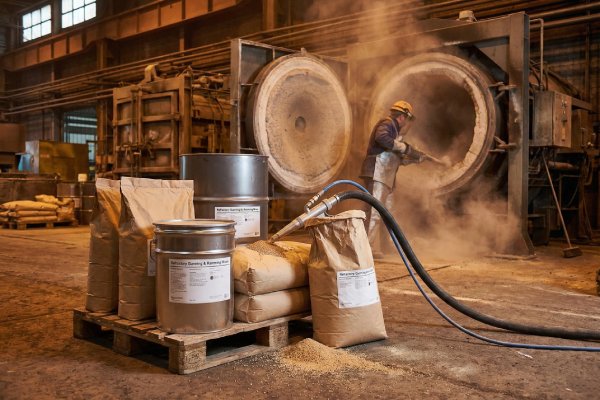
Gunning and ramming mixes represent specialized monolithic refractory technologies designed for pneumatic and mechanical installation methods, offering significant advantages over traditional brick construction including seamless linings, faster installation, ability to repair operating equipment, and elimination of weak mortar joints. These application-specific formulations enable both planned maintenance and emergency repairs critical for maintaining continuous production in steel, cement, petrochemical, and power generation industries.

Our comprehensive range includes dry gunning mixes for pneumatic spray application with material conveyed dry through hoses and water added at the nozzle achieving application rates of 5-8 m³/hr with rebound rates below 12-15%, wet gunning mixes pre-mixed with water and pumped through hoses offering lower rebound (8-12%) and minimal dust generation ideal for large area applications, hot gunning formulations specially designed for application onto surfaces at 800-1200°C enabling emergency repairs without furnace cooldown, high-alumina gunning mixes (70-85% Al₂O₃) for demanding steel and cement industry applications reaching 1650-1750°C service temperatures, ramming masses including acidic formulations (45-55% Al₂O₃) for induction furnace crucibles, basic ramming masses with magnesia or magnesia-chrome aggregates for ladle bottoms and steel applications, neutral ramming for non-ferrous metal contact, and plastic refractories as pre-moistened ready-to-use materials for hand or pneumatic tamping with 5-8% moisture content and excellent cohesiveness.

Manufacturing under ISO 9001:2015 certified processes ensures consistent performance through precision batching of carefully sized aggregates, matrix materials, and bonding systems, specialized additive packages controlling set time and water demand, thorough blending producing homogeneous mixes, moisture-proof packaging in 25kg bags maintaining shelf life of 6-12 months, and complete quality testing including particle size distribution, flow characteristics for gunning mixes, compaction density for ramming masses, setting time verification, and strength development curves at 24 hours, 7 days, and after firing. Application support includes equipment recommendations (gunning machines, compressors, ramming hammers), technical training for installation crews, detailed mixing and application procedures, cure schedules optimized for each product, troubleshooting guidance for installation issues, and on-site supervision available for critical repairs ensuring successful installations and optimal performance throughout service life.

Pneumatic Application

High-velocity gunning technology for rapid coverage and excellent adhesion

Emergency Repairs

Hot gunning capability enables repairs on operating furnaces minimizing downtime

Low Rebound Rates

Optimized formulations achieve <10-15% rebound maximizing material efficiency

Dense Ramming

Mechanical compaction produces high-density linings with superior erosion resistance

PRODUCT RANGE

Complete Monolithic Refractory Range

Application-specific formulations for gunning, ramming, and tamping installations across all industrial sectors

Gunning and Ramming Mixes Product Range

Dry Gunning Mixes

Most Versatile

Dry-process gunning materials conveyed pneumatically with water added at nozzle. Ideal for hot repairs, emergency patchwork, and applications requiring adjustable consistency. Low dust formulations available with rebound rates <12-15%.

  • Temperature: 1400-1750°C
  • Al₂O₃: 60-85%, customizable
  • Application Rate: 5-8 m³/hr
  • Rebound: 12-15%
  • Applications: Hot repairs, ladles, EAF sidewalls, emergency work

Wet Gunning Mixes

Pre-mixed wet materials pumped through delivery system. Lower rebound rates, minimal dust, consistent quality ideal for large area coverage in new construction and major rehabilitation projects.

  • Temperature: 1300-1700°C
  • Al₂O₃: 50-80%
  • Application Rate: 6-10 m³/hr
  • Rebound: 8-12% (lower than dry)
  • Applications: New installations, large repairs, tundish linings

Acidic Ramming Masses

High-silica ramming masses for induction furnace crucibles. Mechanically compacted achieving high density (2.5-2.7 g/cm³) with excellent sintering properties and erosion resistance for steel and iron melting.

  • Temperature: 1500-1650°C
  • Al₂O₃: 45-55%, SiO₂ balance
  • Bulk Density: 2.5-2.7 g/cm³
  • CCS: 50-80 MPa after sintering
  • Applications: Induction furnaces, cupola linings

Basic Ramming Masses

Magnesia and magnesia-chrome ramming masses for steel ladle bottoms and BOF/EAF applications. Superior slag resistance and high hot strength under basic slag attack conditions.

  • Temperature: 1600-1750°C
  • MgO: 85-95% (magnesia type)
  • Bulk Density: 2.7-2.9 g/cm³
  • CCS: 40-70 MPa
  • Applications: Ladle bottoms, converter linings

Plastic Refractories

Pre-moistened ready-to-use plastic refractories for hand tamping or pneumatic ramming. Excellent workability maintained for 48-72 hours in sealed containers. No mixing required.

  • Temperature: 1300-1650°C
  • Al₂O₃: 40-70%
  • Moisture: 5-8% (ready-to-use)
  • Bulk Density: 2.2-2.6 g/cm³
  • Applications: Boiler walls, general repairs, small areas

Hot Gunning Mixes

Emergency Repairs

Specialized formulations for application onto hot surfaces (800-1200°C) without furnace shutdown. Critical for emergency repairs maintaining production continuity. Rapid strength development.

  • Application Temp: 800-1200°C
  • Service Temp: 1500-1700°C
  • Al₂O₃: 60-80%
  • Bond: Immediate thermal bonding
  • Applications: Campaign repairs, hot spots, emergency patchwork

Technical Specifications

Comprehensive property data for gunning mixes, ramming masses, and plastic refractories

Property Unit Dry Gunning Wet Gunning Acidic Ramming Basic Ramming Plastic Refractory
Al₂O₃ Content % 60-85 50-80 45-55 - 40-70
MgO Content % - - - 85-95 -
Maximum Service Temperature °C 1650-1750 1600-1700 1500-1650 1650-1750 1400-1650
Bulk Density (After Firing) g/cm³ 2.4-2.7 2.5-2.7 2.5-2.7 2.7-2.9 2.2-2.6
Apparent Porosity (After Firing) % 16-20 15-18 14-18 15-19 18-22
Cold Crushing Strength (24hr) MPa 30-50 40-60 35-55 25-45 25-40
Cold Crushing Strength (After Firing 1400°C) MPa 60-100 70-100 60-90 50-80 50-80
Permanent Linear Change (1400°C, 3h) % -0.3 to +0.5 -0.2 to +0.4 -0.5 to +1.0 -0.4 to +0.8 -0.5 to +0.7
Rebound Rate (Gunning only) % 12-15 8-12 - - -
Application Rate (Gunning only) m³/hr 5-8 6-10 - - -
Setting Time (Air-setting types) hours 2-6 3-6 - - 4-8
Application Methods: Dry gunning uses compressed air (5-7 bar) with water addition at nozzle. Wet gunning requires pump or compressed air material transfer. Ramming uses pneumatic hammers (30-90 blows/min) or manual tamping. All methods require proper surface preparation and equipment calibration.
Testing Standards: All properties tested per ASTM C862 (gunning and ramming), ASTM C860 (plastic refractories), ASTM C20 (porosity/density), ASTM C133 (cold crushing strength). Complete test certificates and application guidelines provided with every shipment.

Applications & Industries

Gunning and ramming solutions for rapid installation and emergency repairs across diverse industries

Steel & Metallurgy

Ladle working linings with high-alumina gunning, tundish linings and hot repairs, EAF and BOF sidewall maintenance, torpedo car linings, ladle bottom ramming with basic masses, and emergency campaign repairs minimizing production interruptions.

Induction Furnaces

Crucible linings using acidic ramming masses for steel and iron melting, neutral ramming for non-ferrous metals (copper, aluminum, brass), sinterable ramming achieving high density, and rapid relining reducing downtime between campaigns.

Cement & Lime

Rotary kiln hot spot repairs with hot gunning during operation, preheater tower maintenance, clinker cooler repairs, kiln hood gunning, riser duct rehabilitation, and burner pipe repairs minimizing costly shutdowns in continuous process plants.

Petrochemical

Reformer furnace tube support repairs, ethylene cracker sidewall and roof maintenance, thermal oxidizer linings, FCC reactor cyclone gunning, process heater repairs, and hydrogen plant reformer maintenance requiring high-temperature stability.

Power & Energy

Coal-fired boiler wall and arch repairs, CFB boiler cyclone and backpass gunning, waste heat boiler maintenance, burner throat repairs, ash hopper linings, and power plant maintenance during short outages maintaining generation capacity.

Foundry & Casting

Cupola repairs and maintenance, induction furnace relining, holding furnace linings, launder and spout repairs, pouring basin gunning, and foundry equipment maintenance requiring rapid turnaround between production runs.

Glass Manufacturing

Regenerator wall and crown repairs, forehearth maintenance and rehabilitation, furnace superstructure gunning, distributor channel repairs, and glass tank hot repairs during campaign extensions maintaining production quality.

Incinerators

Municipal solid waste incinerator repairs, hazardous waste rotary kiln maintenance, medical waste incinerator linings, secondary combustion chamber gunning, and waste-to-energy facility maintenance requiring chemical resistance.

Application-Specific Solutions:

  • Hot Gunning: Emergency repairs on operating equipment (800-1200°C surface temperature)
  • Dry Gunning: Vertical and overhead surfaces, hot repairs, patchwork
  • Wet Gunning: Large area coverage, new construction, horizontal surfaces
  • Acidic Ramming: Induction furnace crucibles (steel, iron melting)
  • Basic Ramming: Steel ladle bottoms, BOF/EAF linings
  • Neutral Ramming: Non-ferrous metal contact (copper, brass, aluminum)
  • Plastic Refractories: Small repairs, hand-accessible areas, patch work
  • Tamping Mixes: Confined spaces, detailed work, specialty applications

Key Features & Benefits

Why gunning and ramming technologies deliver superior performance and operational advantages

Rapid Installation & Repairs

Gunning application rates of 5-8 m³/hr enable complete ladle relining in 2-4 hours versus 1-2 days for brick construction. Hot gunning capability allows repairs on operating furnaces at 800-1200°C surface temperatures, eliminating costly shutdowns and maintaining production continuity. Emergency response teams can mobilize within 24 hours for critical repairs. Ramming installations achieve complete crucible linings in 4-8 hours with immediate heat-up capability for heat-setting formulations. Air-setting gunning mixes develop handling strength in 6-8 hours enabling faster return to service. Reduced installation time translates to minimized production losses, lower labor costs, and improved operational flexibility for both planned maintenance and emergency repairs.

Seamless Monolithic Linings

Continuous monolithic construction eliminates weak mortar joints inherent in brick linings, creating superior structural integrity and resistance to thermal stress. Seamless linings prevent preferential erosion at joints and reduce slag penetration pathways. Ability to conform to complex shapes, irregular surfaces, and tight radii impossible with standard brick shapes. Superior thermal cycling performance as monolithic structure accommodates expansion without joint opening. Reduced maintenance as no joint repointing required. Better sealing against gas and liquid infiltration protecting backup insulation and shell. Enhanced thermal conductivity uniformity improving temperature distribution and energy efficiency. Elimination of brick coursing errors and misalignment issues ensures consistent lining thickness and performance throughout service life.

Optimized Material Efficiency

Low rebound formulations achieve 85-92% material placement efficiency with only 8-15% waste, significantly better than early gunning technologies. Dry gunning rebound rates reduced to 12-15% through optimized particle size distribution and bonding systems. Wet gunning achieves even lower rebound at 8-12% maximizing material utilization and reducing waste disposal costs. Ramming and plastic refractories have essentially zero waste as all material installed becomes functional lining. Precise material quantity calculations based on lining geometry minimize over-ordering. Unused dry gunning material maintains shelf life for future use. Material efficiency reduces total project costs, lowers environmental impact from waste generation, and improves sustainability metrics important for ISO 14001 environmental management compliance.

Comprehensive Technical Support

Equipment recommendations including gunning machines, compressors, nozzles, hoses, and ramming hammers matched to project requirements and available in rental programs in many regions. Detailed application procedures covering surface preparation, mixing ratios for wet gunning, water addition rates for dry gunning, compaction techniques for ramming, and quality control checkpoints. Cure schedules optimized for each product formulation specifying ambient curing times, heat-up rates, hold temperatures, and maximum rate of temperature increase. Operator training programs covering equipment operation, material handling, application techniques, troubleshooting common issues, and safety procedures. On-site supervision available for critical installations providing real-time guidance, quality verification, and documentation. Technical troubleshooting support via phone/email/video during installations. Complete documentation package including material certificates, application records, and maintenance recommendations for client records.

Application-Specific Formulations

High-alumina gunning mixes (70-85% Al₂O₃) for demanding steel and cement applications requiring 1650-1750°C performance. Acidic ramming masses optimized for induction furnace crucibles with controlled sintering behavior achieving high density and erosion resistance. Basic ramming formulations with magnesia or magnesia-chrome aggregates providing superior basic slag resistance for steel ladle bottoms. Hot gunning grades specially formulated with rapid bonding characteristics for application onto 800-1200°C surfaces. Low-rebound dry gunning formulations using optimized particle packing and bonding systems. Wet gunning mixes with extended pot life (3-4 hours) for large continuous projects. Plastic refractories with controlled moisture content (5-8%) maintaining workability for 48-72 hours. Custom formulations available for unique applications, special temperature requirements, or specific chemical resistance needs based on client furnace conditions and operating parameters.

Global Export Expertise

Extensive experience shipping gunning and ramming materials worldwide in 25kg moisture-proof bags suitable for all climates and storage conditions. Proper packaging maintaining material characteristics during ocean freight, container shipping, and extended storage before use. Material shelf life of 6-12 months when stored properly allowing advance ordering for planned maintenance. Container loading optimization maximizing quantity per shipment reducing freight costs per ton. Complete export documentation including commercial invoices, packing lists, material safety data sheets (MSDS), technical data sheets (TDS), test certificates, and certificates of origin. Coordination with international logistics providers ensuring on-time delivery to remote locations. Installation support available in many countries through trained representatives and authorized distributors. Successful projects completed in 30+ countries across six continents serving steel mills, cement plants, petrochemical facilities, and power generation worldwide.

Frequently Asked Questions

Common questions about gunning mixes, ramming masses, application methods, and performance

Gunning mixes are pneumatically applied monolithic refractories sprayed onto furnace surfaces using specialized gunning equipment with compressed air, while ramming masses are mechanically compacted dense refractory materials installed by pneumatic hammers or manual ramming. Gunning mixes achieve application rates of 5-8 m³/hr with rebound rates below 10-15%, ideal for vertical and overhead surfaces, hot repairs on operating furnaces (hot gunning at 800-1200°C), and rapid emergency repairs minimizing downtime. The dry gunning process mixes material with water at the nozzle, while wet gunning uses pre-mixed material. Ramming masses are installed in layers with mechanical compaction achieving higher bulk densities (2.5-2.9 g/cm³) versus gunning (2.2-2.7 g/cm³), making them suitable for induction furnace crucibles, ladle bottom linings, and applications requiring maximum density and erosion resistance. Gunning provides faster installation covering large areas quickly, while ramming delivers superior density and mechanical strength. Both methods offer advantages over brick construction including seamless monolithic linings, faster installation, ability to conform to complex shapes, and elimination of mortar joints that can be weak points.

Dry gunning process conveys dry refractory material through hoses using compressed air with water added at the nozzle immediately before impact, while wet gunning pumps pre-mixed wet material through hoses without adding water at application point. Dry gunning advantages include adjustable water content at nozzle for optimal consistency, ability to stop and restart without material waste, suitable for hot surface application (hot gunning), longer pumping distances possible, and material doesn't harden in equipment. Disadvantages include higher dust generation, operator skill required for water control, and potential for higher rebound if water addition inconsistent. Wet gunning advantages include minimal dust generation improving working conditions, consistent pre-mixed material quality, lower rebound rates (8-12% versus 12-15% for dry), better for large continuous applications, and easier operation requiring less skill. Disadvantages include limited pot life of mixed material (2-4 hours), equipment must be cleaned if stopped, not suitable for hot surface application, and shorter maximum pumping distances. Material selection depends on application type, with dry gunning preferred for hot repairs, emergency patchwork, and vertical/overhead surfaces, while wet gunning suits new construction, large area coverage, and applications where dust control is critical.

Primary applications include steel industry with ladle working linings using high-alumina gunning mixes (70-85% Al₂O₃, 1650-1750°C), tundish linings and hot repairs, EAF and BOF sidewall maintenance with hot gunning during campaign, torpedo car linings, and ladle bottom ramming with basic ramming masses. Induction furnace applications use acidic ramming masses (45-55% Al₂O₃) for crucible linings in steel and iron melting, neutral ramming for non-ferrous metals (copper, brass, aluminum), and sinterable ramming masses achieving high density after thermal treatment. Cement industry uses gunning mixes for rotary kiln hot spot repairs, preheater tower maintenance, clinker cooler repairs, and kiln hood gunning minimizing production interruptions. Petrochemical sector applies gunning for reformer tube supports, cracking furnace maintenance, thermal oxidizer linings, FCC reactor cyclone repairs, and process heater maintenance. Power generation uses gunning for boiler wall repairs, arch and roof maintenance, ash hopper linings, and waste heat boiler repairs. Glass industry applies gunning for regenerator repairs, forehearth maintenance, and furnace crown hot repairs. Foundry applications include cupola repairs, induction furnace maintenance, and ladle lining repairs. Emergency repair capability makes gunning particularly valuable for unplanned outages requiring rapid response to maintain production continuity.

Application rates for pneumatic gunning range from 5-8 m³/hr depending on material type, equipment capacity, and surface accessibility. A typical steel ladle repair (2-3 m³ volume) requires 30-45 minutes gunning time plus surface preparation. Large area applications like cement kiln repairs can cover 20-30 m² per hour at 50-100mm thickness. Setting and curing time varies by product formulation. Air-setting gunning mixes develop initial set in 2-4 hours, handleable strength in 6-8 hours, and can withstand heat-up after 12-24 hours ambient curing. Heat-setting gunning mixes require furnace cure with controlled heat-up schedule, typically 50°C/hr to 200°C, hold 4-6 hours, then 50-100°C/hr to service temperature. Hot gunning applied directly to hot surfaces (800-1200°C) bonds immediately and can return to service after completing repairs and brief sintering, often within 2-4 hours total from start to restart. Ramming masses require 24-48 hours air curing before controlled heat-up for air-setting types, or can start heat-up immediately for heat-setting formulations. Plastic refractories typically need 12-24 hours before heat-up begins. Emergency hot repairs minimize downtime to 4-8 hours total including preparation, application, and return to service compared to 3-7 days for brick replacement, making gunning critical for maintaining production continuity in continuous process industries.

Dry gunning requires gunning machine with material hopper and metering system, air compressor providing 5-7 bar pressure at 8-15 m³/min capacity, material delivery hoses (typical 25-50mm diameter, up to 50m length), gunning nozzle with water ring for water addition, water supply with pressure regulator and flow control, and safety equipment including dust masks, protective clothing, and eye protection. Wet gunning uses positive displacement pump or compressed air material transfer system, pre-mixing equipment (paddle mixer or forced-action mixer), material delivery hoses rated for wet material, spray nozzle without water addition, cleaning equipment for hoses and pump, and safety equipment. Ramming applications require pneumatic ramming hammers (30-90 blows/minute), air compressor (5-7 bar pressure), formwork for containing material, hand tampers for edges and corners, moisture meters for checking material consistency, and compaction measuring tools. Supporting equipment includes scaffolding for overhead work, lighting for interior applications, material handling equipment, curing equipment (steam generators for accelerated curing if needed), and heat-up monitoring equipment (thermocouples, recording instruments). RefractorySource provides equipment recommendations, can arrange equipment rental in many locations, offers technical training for operators, provides installation supervision if required, and supplies detailed application procedures and cure schedules for each product ensuring successful installations and optimal performance.

Quality control begins with material inspection verifying correct product delivered, checking packaging integrity and storage conditions, confirming batch numbers and test certificates, and testing moisture content of dry materials before use. Pre-application checks include equipment calibration with air pressure, water flow rate, and nozzle condition verification, trial spray to establish optimal water/material ratio for gunning, checking formwork alignment and cleanliness, and surface preparation including removal of loose material, oil, and contaminants. During application monitoring includes rebound rate measurement (should be <10-15%), thickness control using depth gauges or templates, surface finish inspection for uniform texture, checking for delamination or sagging on vertical surfaces, and documenting application rates and material consumption. For ramming, monitor compaction density by measuring ram penetration depth, check surface hardness using rebound hammer, verify uniform compaction throughout thickness, and measure moisture content consistency. Post-application testing includes core drilling to verify density and bond strength after curing, hammer testing for surface hardness, visual inspection for cracks or defects, and dimensional verification of final thickness. Curing control follows documented schedules monitoring ambient temperature and humidity, protecting from rapid drying or freezing, applying curing compounds or plastic sheeting if specified, and recording actual cure times and conditions. Heat-up monitoring tracks temperature rise rates using thermocouples, verifies hold times at specified temperatures, documents any cracks or spalling during heat-up, and adjusts schedule if issues develop. Complete documentation includes material batch records, application records with dates/times/personnel, thickness and density measurements, cure schedules and actual conditions, heat-up records, and final inspection reports, all provided to client for maintenance records and warranty documentation.

Related Products

Complementary refractory solutions for complete furnace systems

Refractory Castables

Low-cement and ultra-low cement castables for vibration casting complementing gunning and ramming installations.

Learn More
Coatings & Repair Materials

Spray coatings and plastic repair materials for maintenance work and emergency patchwork applications.

Learn More
High-Alumina Bricks

Shaped high-alumina bricks for applications where brick construction complements monolithic areas.

Learn More
Precast Refractory Products

Factory-manufactured precast components offering rapid installation alternative to field gunning.

Learn More

Need Emergency Gunning or Ramming Solutions?

Our rapid-response team provides hot gunning capabilities, equipment support, and technical expertise for emergency repairs and planned maintenance. Contact us for immediate assistance and competitive quotations.