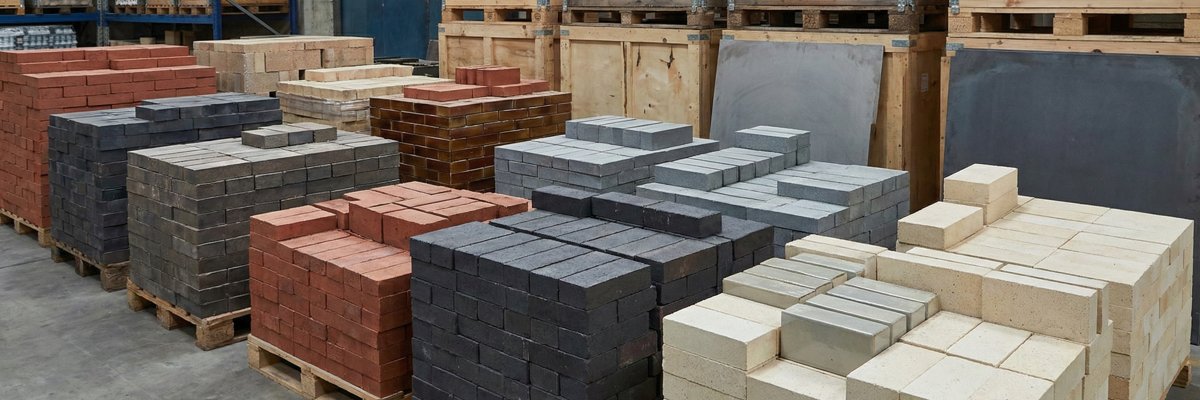
CHEMICAL RESISTANT

Acid-Resistant Bricks

ASTM C279 certified acid-resistant bricks engineered for superior chemical resistance to sulfuric, hydrochloric, nitric, and phosphoric acids, serving chemical processing, petrochemical, pharmaceutical, and food processing industries with proven durability in corrosive environments.

Acid Resistance 90-98%
Standard ASTM C279
Max Temperature 200-350°C
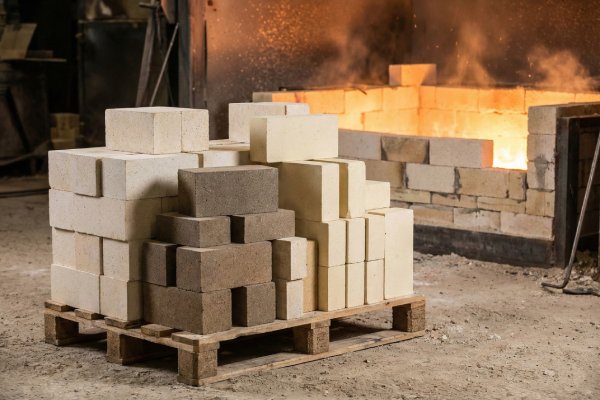
Acid Resistant Silica Bricks

Product Overview

Acid-resistant bricks are specialized ceramic or carbon-based materials engineered to withstand corrosive attack from concentrated acids, alkalis (limited), and chemical solutions encountered in chemical processing, petrochemical refining, pharmaceutical manufacturing, and food processing industries. Unlike conventional refractories optimized for high-temperature resistance, acid-resistant bricks prioritize chemical impermeability and corrosion resistance at moderate temperatures (ambient to 350°C).

Our acid-resistant brick portfolio includes ceramic acid-proof bricks (red shale, fireclay-based) with 90-98% acid resistance to sulfuric, hydrochloric, nitric, and phosphoric acids, carbon bricks providing superior resistance to hydrofluoric acid and mixed acids, high-silica quartzite bricks for severe sulfuric acid environments, and membrane bricks for critical applications. Manufacturing employs low-porosity formulations (typically <10-12% porosity) using dense aggregates and fine particle size distributions to minimize acid penetration pathways.

Compliance with ASTM C279 (acid-resistant masonry units), DIN 51063 (German standard for acid-resistant materials), and ISO 10545-13 (chemical resistance testing) ensures reliable performance. Testing includes acid immersion tests (ASTM C650), water absorption measurements, and chemical composition analysis. Critical to acid-resistant linings is the mortar system: sodium silicate-based mortars or phenolic resin mortars create impervious joints preventing acid infiltration. Complete installation specifications, acid-resistant mortar recommendations, and application engineering support provided.

Key Benefits

Superior Acid Resistance

90-98% resistance to H₂SO₄, HCl, HNO₃, H₃PO₄ acids at various concentrations

Low Porosity

Dense structure with <10-12% porosity minimizing acid penetration

Chemical Impermeability

Impervious surface resists absorption and chemical attack

Long Service Life

5-15 years service life in properly designed and maintained systems

Quick Specifications
  • Acid Resistance: 90-98%
  • Max Temperature: 200-350°C
  • Porosity: <10-12%
  • Bulk Density: 2.0-2.4 g/cm³
  • Water Absorption: <6%
  • Applications: Chemical, Pharmaceutical, Food

Acid-Resistant Brick Types

Comprehensive range optimized for different acids, concentrations, and temperature conditions

Acid Resistant Bricks Product Range
Most Common

Ceramic Acid-Proof Bricks

Dense ceramic bricks with silica-rich composition. Excellent resistance to sulfuric, hydrochloric, nitric, and phosphoric acids. Economical and widely used.

  • SiO₂: 60-75%, Al₂O₃: 18-25%
  • Acid Resistance: 90-96%
  • Porosity: 10-12%, Density: 2.0-2.2 g/cm³
  • Temperature: Up to 250°C

Red Shale Acid Bricks

Premium grade manufactured from red shale clay. Higher density and lower porosity than standard ceramic bricks. Superior for severe acid exposure.

  • SiO₂: 65-72%, Fe₂O₃: 4-8%
  • Acid Resistance: 94-98%
  • Porosity: 8-10%, Density: 2.1-2.3 g/cm³
  • Temperature: Up to 300°C
Premium

Carbon/Graphite Bricks

Impervious carbon or graphite material. Superior resistance to hydrofluoric acid and mixed acids. Excellent thermal conductivity for reaction temperature control.

  • Carbon: 90-99%, impervious
  • HF Acid: Excellent resistance
  • Porosity: <2%, Density: 1.6-1.9 g/cm³
  • Temperature: Up to 350°C

Quartzite/High-Silica Bricks

High-purity silica content bricks. Exceptional sulfuric acid resistance. Used in sulfuric acid concentrators and storage tanks.

  • SiO₂: 92-96%, ultra-pure
  • H₂SO₄ Resistance: Excellent
  • Porosity: 15-18%, Density: 1.9-2.1 g/cm³
  • Temperature: Up to 200°C

Membrane/Acid-Proof Plates

Thin, dense plates (tiles) for critical applications. Extremely low porosity. Used for tank bottoms, floors, and critical containment areas.

  • Thickness: 10-25mm plates
  • Acid Resistance: 96-99%
  • Porosity: <5%, very dense
  • Applications: Tank floors, critical zones

Furan Resin Bonded Bricks

Advanced polymer-bonded bricks. Superior chemical resistance combining ceramic aggregates with furan resin binders. For severe environments.

  • Polymer bonded, enhanced resistance
  • Acid Resistance: 97-99%
  • Porosity: <8%, Density: 2.2-2.4 g/cm³
  • Temperature: Up to 180°C

Detailed Technical Specifications

Comprehensive specifications for acid-resistant bricks per ASTM C279

Property Unit Ceramic Red Shale Carbon Quartzite
SiO₂ Content % 60-75 65-72 - 92-96
Al₂O₃ Content % 18-25 15-20 - 2-4
Carbon Content % - - 90-99 -
Bulk Density g/cm³ 2.0-2.2 2.1-2.3 1.6-1.9 1.9-2.1
Apparent Porosity % 10-12 8-10 <2 15-18
Water Absorption % 5-6 4-5 <0.5 7-9
Compressive Strength MPa 50-80 70-100 40-70 40-60
Acid Resistance (H₂SO₄) % 90-96 94-98 98-99 96-98
Maximum Temperature °C 250 300 350 200
Testing Standards: ASTM C279 (masonry units), ASTM C650 (acid resistance), DIN 51063, ISO 10545-13.
Critical: Use only compatible acid-resistant mortars (sodium silicate or phenolic resin). Improper mortar causes joint failure.

Acid Resistance Chart

Acid Type Concentration Ceramic Red Shale Carbon
Sulfuric Acid (H₂SO₄) 10-98% Excellent Excellent Excellent
Hydrochloric Acid (HCl) 10-37% Excellent Excellent Excellent
Nitric Acid (HNO₃) 10-70% Good Excellent Good
Phosphoric Acid (H₃PO₄) 30-85% Excellent Excellent Excellent
Hydrofluoric Acid (HF) 10-70% Poor Poor Excellent
Acetic Acid 10-99% Good Good Excellent
APPLICATIONS

Industries & Applications

Acid-resistant bricks protect equipment and structures in corrosive chemical environments

Chemical Processing

Sulfuric acid plants, hydrochloric acid production, phosphoric acid manufacturing, acid storage tanks, pickling tanks.

Learn More

Petrochemical

Alkylation units, acid catalyst systems, sour water treatment, HF acid alkylation, refinery processes.

Learn More

Pharmaceutical

API production, acid synthesis, pharmaceutical reactors, cleanroom floors, chemical synthesis areas.

Learn More

Food Processing

Breweries, dairies, beverage production, citric acid facilities, fermentation tanks, process floors.

Learn More

Specific Applications

Chemical Industry Applications:

  • Sulfuric acid concentrators and storage tanks
  • Hydrochloric acid production and handling
  • Phosphoric acid wet process plants
  • Nitric acid concentrators
  • Pickling tanks for metal treatment
  • Chemical reactor linings

Other Industry Applications:

  • Pulp and paper digesters and bleaching
  • Mining ore leaching tanks and pads
  • Battery manufacturing acid baths
  • Fertilizer production facilities
  • Metal finishing and electroplating
  • Waste water treatment plants
WHY CHOOSE US

Key Features & Advantages

Broad-Spectrum Acid Resistance

Engineered resistance to multiple acid types: sulfuric acid (H₂SO₄) 10-98%, hydrochloric acid (HCl) up to 37%, nitric acid (HNO₃) up to 70%, phosphoric acid (H₃PO₄) 30-85%, acetic acid, and organic acids. Dense, low-porosity structure (<10-12%) minimizes acid absorption and penetration. Chemical impermeability protects underlying structures and equipment foundations.

Superior Chemical Impermeability

Dense microstructure with fine particle size distribution creates impervious barrier against chemical attack. Water absorption <6% (ASTM C67) indicates low accessible porosity. Red shale grades achieve <5% absorption. Combined with proper acid-resistant mortar (sodium silicate or phenolic resin), creates complete chemical containment system preventing substrate degradation, groundwater contamination, and structural damage.

Long Service Life

Properly installed acid-resistant brick linings deliver 5-15 years service life depending on acid concentration, temperature, and maintenance. Dense ceramic structure resists erosion and chemical degradation. Regular inspection and prompt joint repair extends lifespan. Lower total cost of ownership compared to alternative materials (polymer coatings, FRP) requiring more frequent replacement. Proven track record in sulfuric acid plants, pickling operations, chemical storage.

Moderate Temperature Capability

Ceramic acid-proof bricks operate continuously up to 250°C, intermittent peaks to 300°C. Red shale grades handle 300°C continuous. Carbon bricks excel at 350°C. Adequate for most chemical processing where acid exposure occurs at ambient to moderate temperatures. Unlike polymer linings limited to <80°C, ceramic bricks handle elevated temperature acid processes: hot pickling baths, acid concentrators, heated reactors, thermal processes with acid byproducts.

Standards Compliance & Testing

Full compliance with ASTM C279 (acid-resistant masonry units), DIN 51063 (German standard), ISO 10545-13 (chemical resistance). Comprehensive testing: acid immersion tests per ASTM C650 (weight loss measurement after acid exposure), water absorption ASTM C67, compressive strength ASTM C67, dimensional tolerances. Mill test certificates, technical data sheets, MSDS provided. Application engineering support for lining design, mortar selection, installation specifications.

Global Export Excellence

Serving chemical, petrochemical, pharmaceutical, and food processing industries in 30+ countries. Expert containerized packaging protecting bricks during international shipping. Complete export documentation: commercial invoices, packing lists, certificates of origin, material safety data sheets. FOB, CFR, CIF terms available. Technical support for installation contractors, mortar recommendations, substrate preparation guidance, quality assurance testing. 4-6 week lead times with reliable logistics partners.

FAQ

Frequently Asked Questions

Common questions about acid-resistant bricks and chemical resistant linings

Acid-resistant bricks provide excellent resistance to sulfuric acid (H₂SO₄) from 10% to 98% concentration, hydrochloric acid (HCl) up to 37%, nitric acid (HNO₃) up to 70%, phosphoric acid (H₃PO₄) 30-85%, acetic acid (CH₃COOH), formic acid, and most organic acids. Ceramic acid-proof bricks achieve 90-98% acid resistance depending on grade and acid type. Carbon bricks excel against hydrofluoric acid (HF) and mixed acid environments where ceramic bricks fail. Resistance effectiveness depends on brick type, acid concentration, temperature, and exposure duration. Not recommended for hydrofluoric acid >40% concentration (use carbon bricks), hot concentrated alkaline solutions (>pH 12 at >80°C), or molten salts. Always consult chemical resistance charts and conduct compatibility testing for specific acids and operating conditions before specification.

Ceramic acid-resistant bricks (fireclay-based, red shale) contain 60-75% SiO₂ with controlled porosity (<12%), offering excellent resistance to sulfuric, hydrochloric, nitric, and phosphoric acids at temperatures up to 250-300°C. They're economical ($5-15 per brick) and widely used in chemical plants, pickling tanks, and acid storage. Carbon bricks are impervious graphite or carbon-based materials providing superior resistance to hydrofluoric acid (HF), mixed acids, and higher temperatures (up to 350°C), but cost significantly more ($50-200 per brick). Carbon bricks feature near-zero porosity (<2%), excellent thermal conductivity (beneficial for reaction temperature control), and immunity to thermal shock. Ceramic bricks suit most common acids (H₂SO₄, HCl, HNO₃, H₃PO₄), while carbon bricks are specified for HF acid, severe mixed acid environments, applications requiring thermal conductivity, and budgets allowing premium materials.

Acid-resistant mortar bonds acid-resistant bricks together, filling joints and preventing acid penetration to underlying substrates. Typically formulated from sodium silicate (water glass, Na₂SiO₃) binder combined with acid-resistant fillers (fine quartz powder, silica flour, acid-resistant aggregates), creating chemical-resistant joints matching brick performance. Advanced formulations use phenolic resin or furan resin binders for enhanced resistance. Mortar is critical because joints are often the weakest link in acid-resistant linings: if mortar degrades, acid penetrates through joint network causing substrate corrosion even if bricks remain intact. Proper mortar application requires: minimal joint thickness (2-3mm maximum), skilled mason workmanship ensuring complete filling without voids, proper curing (7-14 days before chemical exposure), mortar chemistry compatible with brick type and expected acids. Joint failure is leading cause of premature lining failure. Never use portland cement mortars (degraded by acids) or incompatible mortars with acid-resistant brick systems.

Standard ceramic acid-resistant bricks withstand continuous operating temperatures up to 200-250°C, with intermittent peaks to 300°C. Red shale premium grades handle 300°C continuous operation. This temperature range accommodates most chemical processing applications where acid exposure occurs at ambient to moderate temperatures: acid storage tanks (ambient), pickling baths (60-90°C), acid concentrators (150-200°C), heated reactors (150-250°C). For high-temperature acid environments exceeding 300°C, specify carbon bricks (up to 350°C) or specialized high-temperature acid-resistant materials. Important limitation: temperature resistance decreases in presence of acids and under thermal cycling conditions. Acid-resistant bricks prioritize chemical resistance over thermal performance, contrasting with refractory fire bricks optimized for >1200°C but lacking acid resistance. Applications requiring both high temperature (>500°C) AND acid resistance require specialized solutions: high-silica refractories, silicon carbide, or engineered multi-layer systems.

Chemical processing industry is the primary user: sulfuric acid plants (absorbers, concentrators, storage), hydrochloric acid production and handling, phosphoric acid wet-process manufacturing, nitric acid facilities, acid storage tank linings, pickling tanks for steel and metal treatment. Petrochemical refineries employ them extensively in alkylation units (HF or H₂SO₄ catalyst systems), acid catalyst regeneration areas, sour water stripper systems, and corrosive process areas. Pharmaceutical manufacturing utilizes acid-resistant floors and containment in API (Active Pharmaceutical Ingredient) production, acid synthesis reactors, and cleanroom environments. Food processing industry specifies them for breweries (acid cleaning systems), dairies (acid sanitization areas), beverage production (citric acid, phosphoric acid handling), and fermentation facilities. Pulp and paper mills employ them in kraft digesters, bleaching sections, and chemical recovery areas. Mining and metallurgy industries use them for hydrometallurgical ore leaching pads, acid recovery systems, and electrowinning facilities. Metal finishing and electroplating shops require them for acid bath linings, pickling tanks, and anodizing facilities.

Proper installation is critical for acid-resistant lining performance and longevity. (1) Substrate Preparation: Clean substrate thoroughly removing all oils, greases, loose materials, existing coatings. Surface must be structurally sound, dry, and dust-free. Repair cracks, spalls, and defects. (2) Waterproofing: Apply waterproofing membrane (hot asphalt, epoxy coating) on concrete substrates preventing moisture infiltration from behind that can cause brick debonding. (3) Mortar Selection: Use only acid-resistant mortars matching brick type: sodium silicate mortars for ceramic/red shale bricks, phenolic resin mortars for severe applications, appropriate mortars for carbon bricks. Never use portland cement. (4) Installation: Employ skilled masons experienced in acid-resistant work. Maintain minimal joint thickness (2-3mm), ensure complete joint filling without voids, maintain proper alignment and levelness, use appropriate expansion joints for large areas. (5) Curing: Allow 7-14 days curing before introducing process chemicals, protecting from rainfall/moisture during cure. (6) Commissioning: Introduce chemicals gradually avoiding thermal and chemical shock, inspect for leaks/defects before full operation. (7) Maintenance: Regularly inspect joints and bricks, repair damaged areas promptly before propagation, maintain protective coatings. Installation quality directly affects service life; poor installation causes premature failure despite quality materials.

Related Products

Complementary solutions for complete acid-resistant systems

Acid-Resistant Mortars

Sodium silicate and phenolic resin mortars for laying acid-resistant bricks and creating impervious joints.

Learn More

Acid-Resistant Coatings

Protective coatings and membranes for acid environments, substrate waterproofing, and supplemental protection.

Learn More

Acid-Resistant Castables

Monolithic acid-resistant materials for complex geometries where brick installation impractical.

Learn More

High-Silica Refractories

Silica-based refractories offering both acid resistance and higher temperature capability.

Learn More

Need Acid-Resistant Linings for Chemical Processing?

Get expert consultation on acid-resistant brick selection, mortar systems, and installation specifications. Our chemical engineers analyze your acid types, concentrations, temperatures, and operating conditions to recommend optimal solutions ensuring long-term chemical containment and structural protection.